ReMind
"An AI smart glasses continuously learns from daily interactions to help memory-impaired users recall, organize, and live with confidence."
00
problem
Older adults with memory decline do not experience complete memory loss, but rather partial memory impairments that result in fragmented and incomplete memory chains. We mainly focused on seniors who have mild to moderate memory decline and are still able to manage basic self-care. Many among them live alone or with a partner, have very modest means, and their children visit them on holidays.
solution
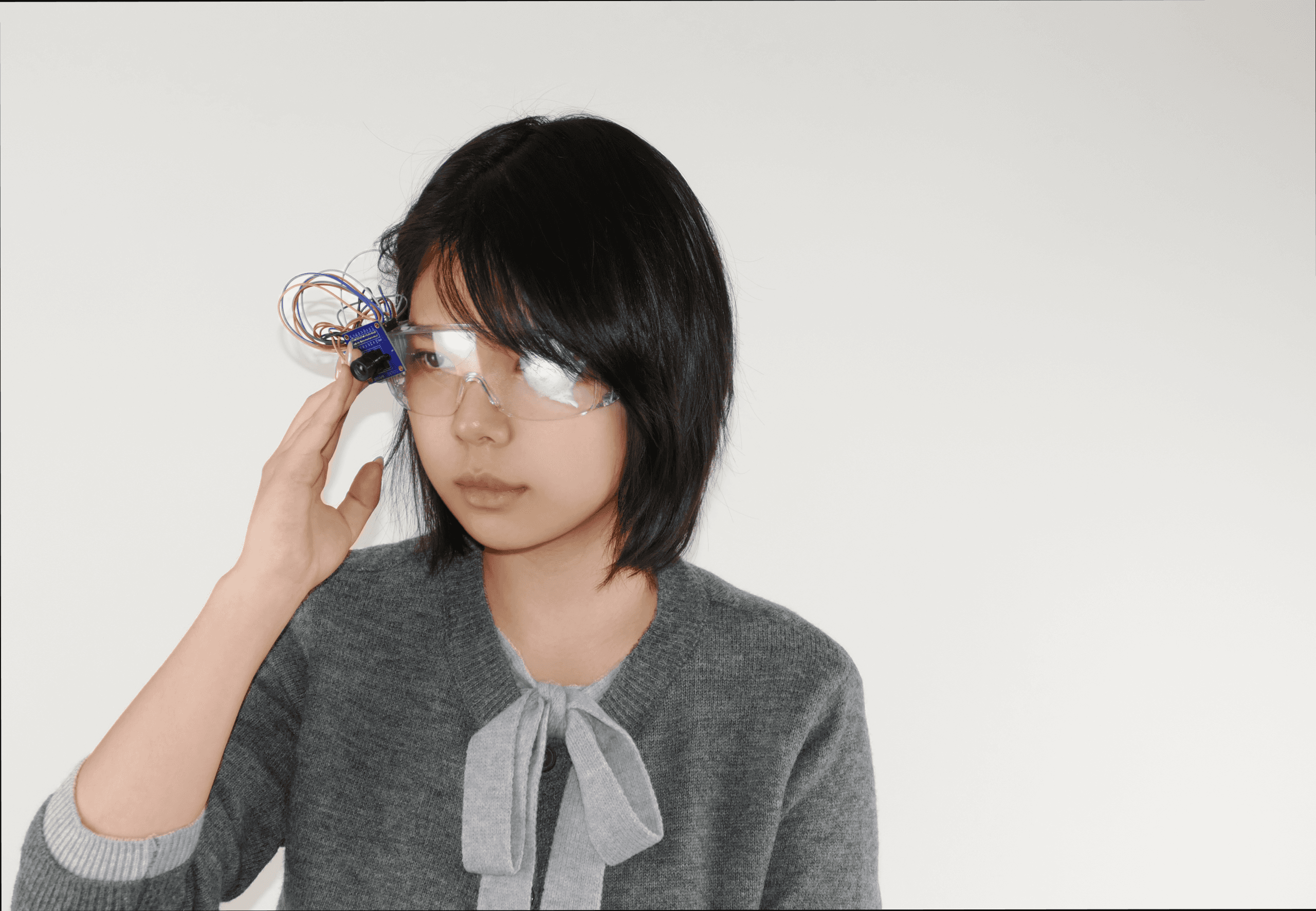
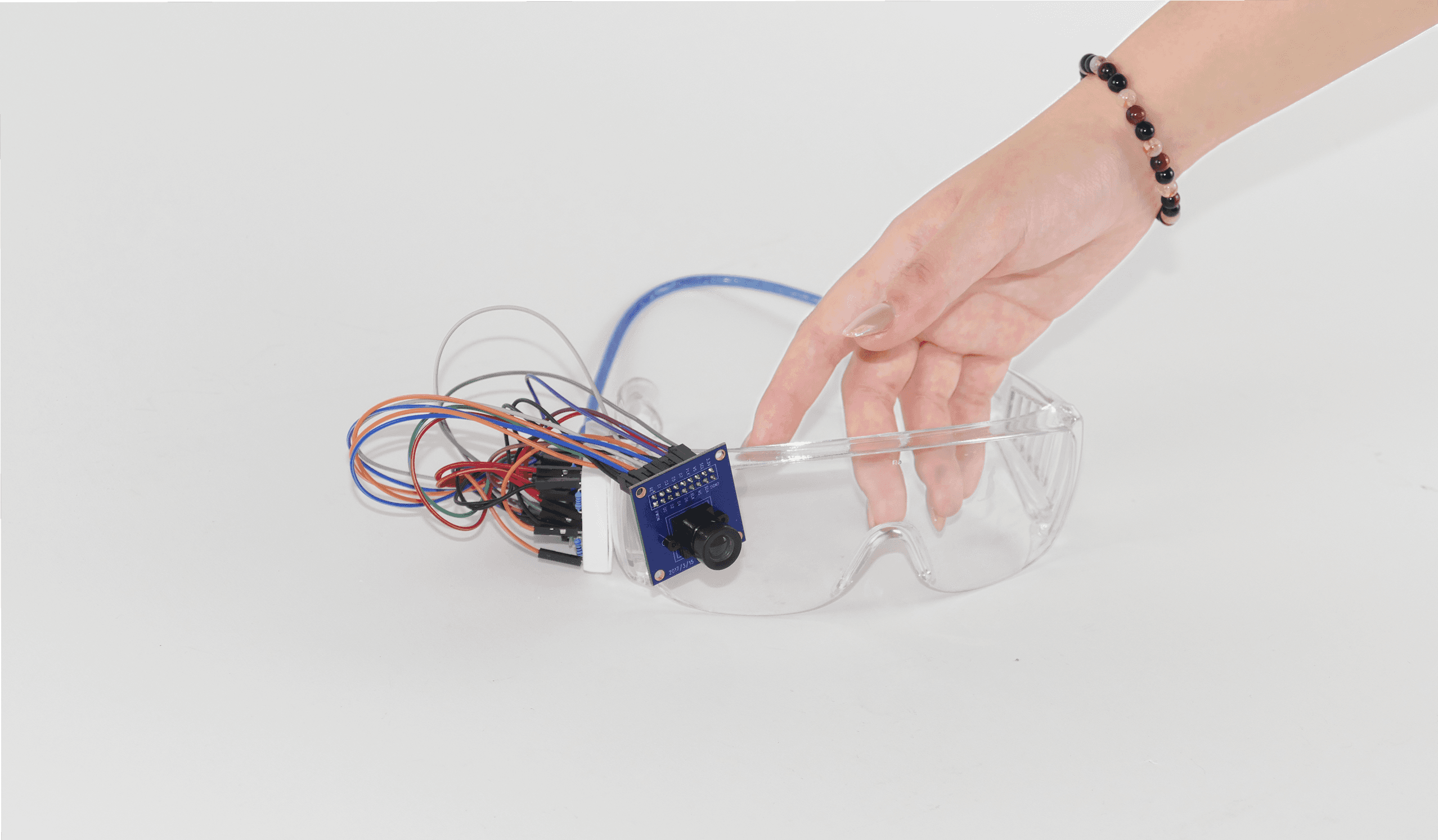
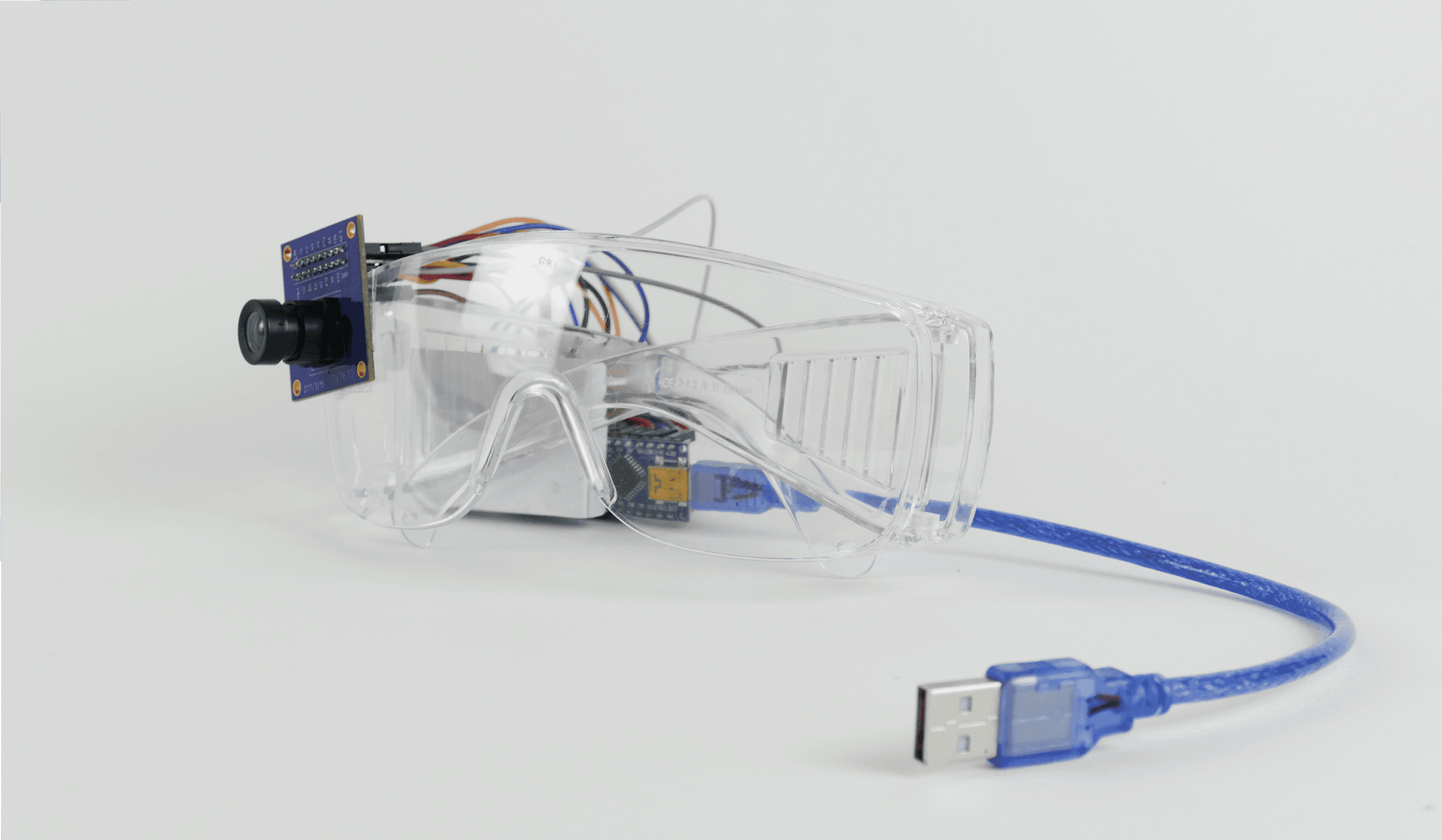
This project proposes a wearable AI system embedded in smart glasses that collects contextual data over time and trains a personalized assistant, helping users with memory impairment preserve cognitive continuity and recall across daily activities.
System Map
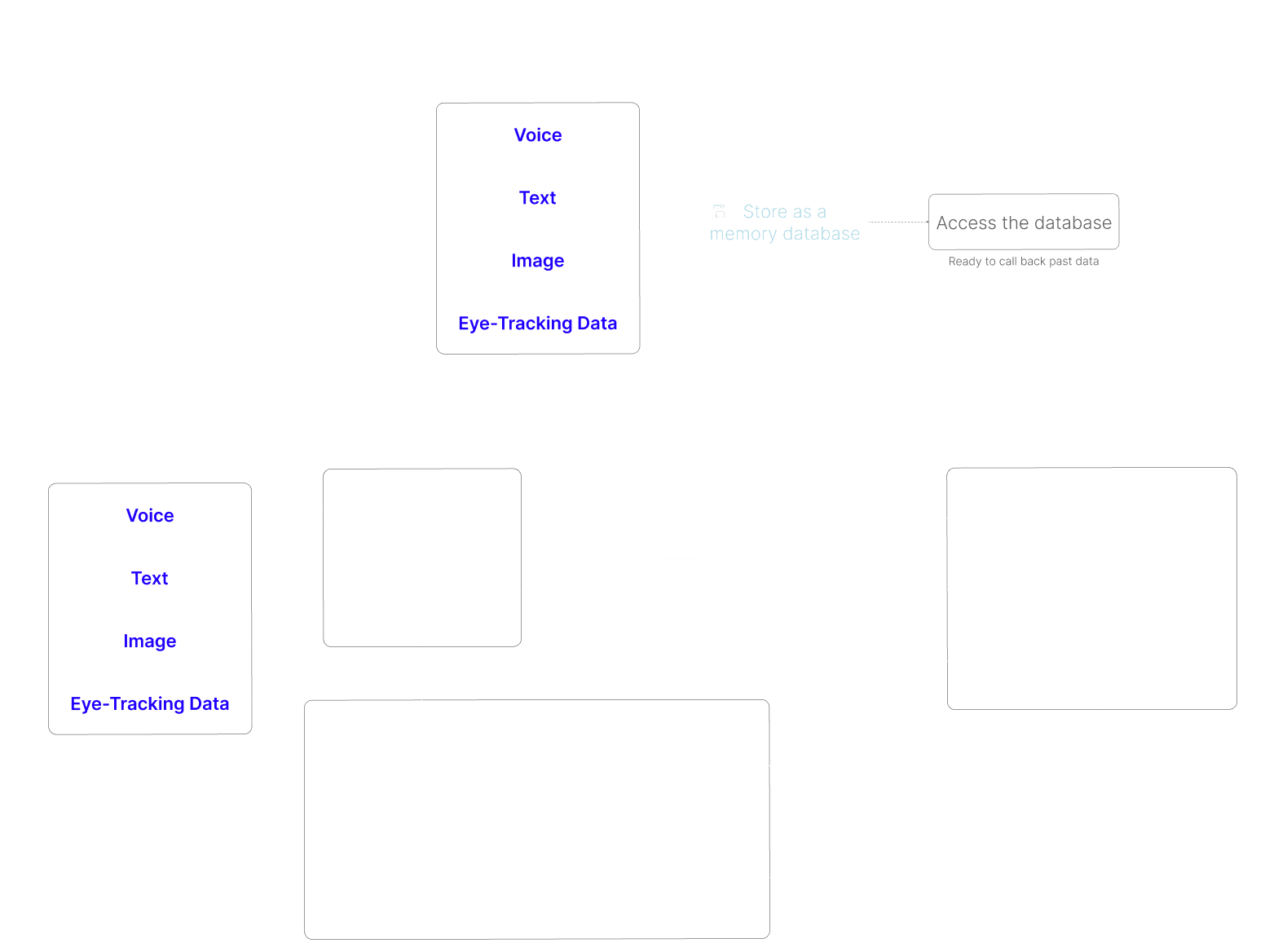
This system is designed to support older adults who communicate in fragmented, non-linear language by shifting the cognitive burden from the user to the AI.
The system first builds a personalized memory database by passively collecting contextual information as the user goes about daily life. Voice input, images, text, and eye-tracking data are captured through smart glasses and stored together, allowing incomplete speech and loosely connected thoughts to be preserved as meaningful context rather than requiring structured input.
When the user later asks a question—often in partial or ambiguous language—the AI reconstructs intent by referencing previously stored memories and contextual data. Instead of relying on a single prompt, the system traces past situations to generate appropriate responses, reminders, and tasks.
By breaking down information collection into continuous, low-effort steps, the system enables older adults to interact naturally, while the AI handles interpretation, organization, and memory continuity.
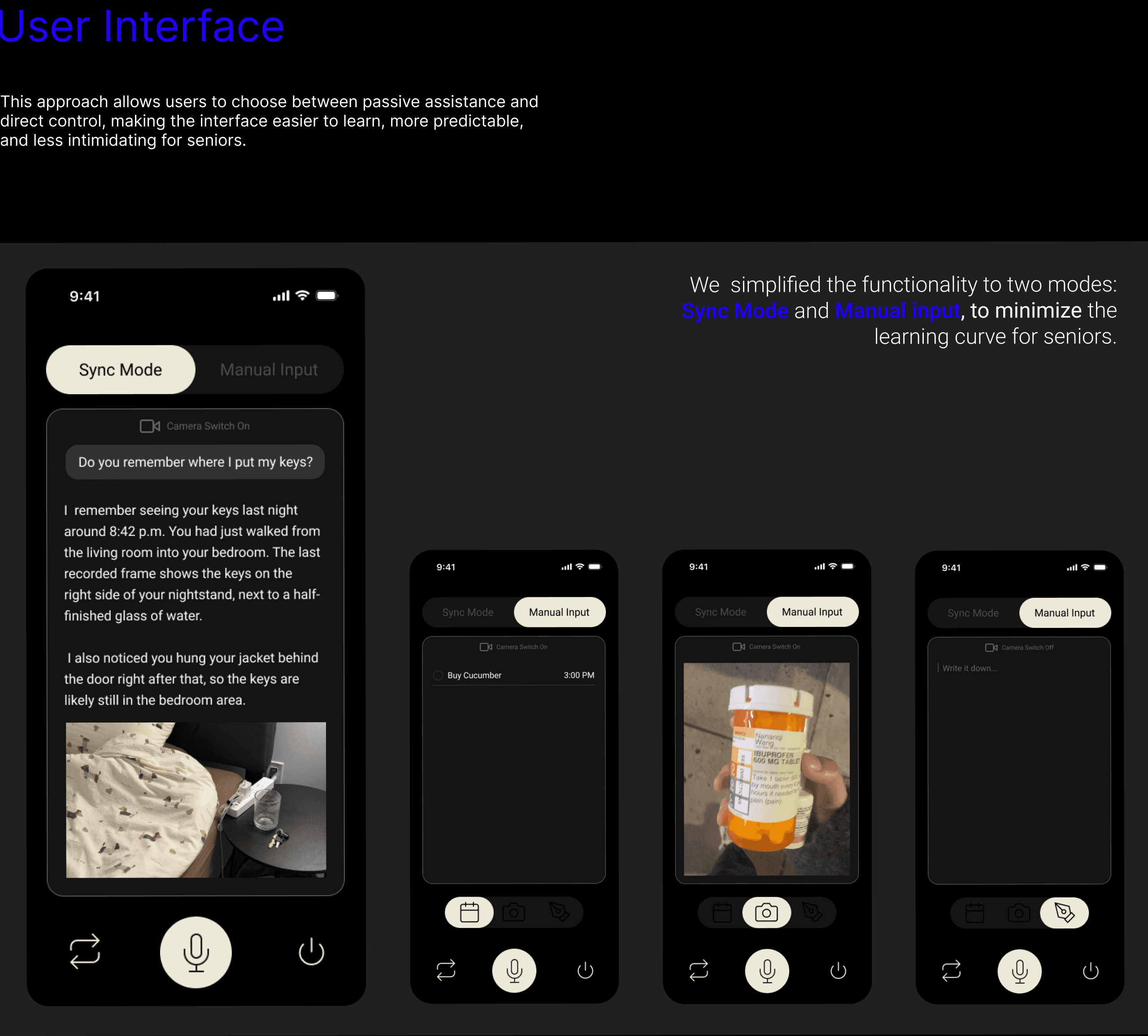
see also